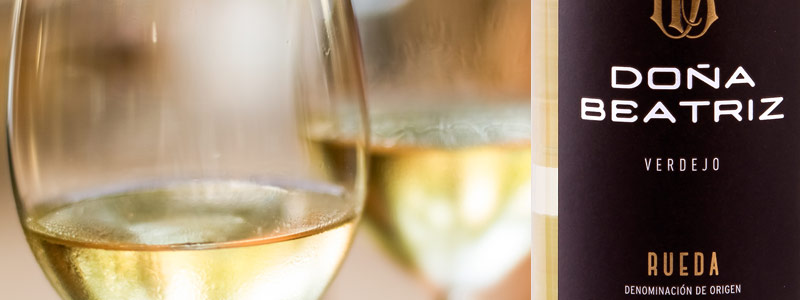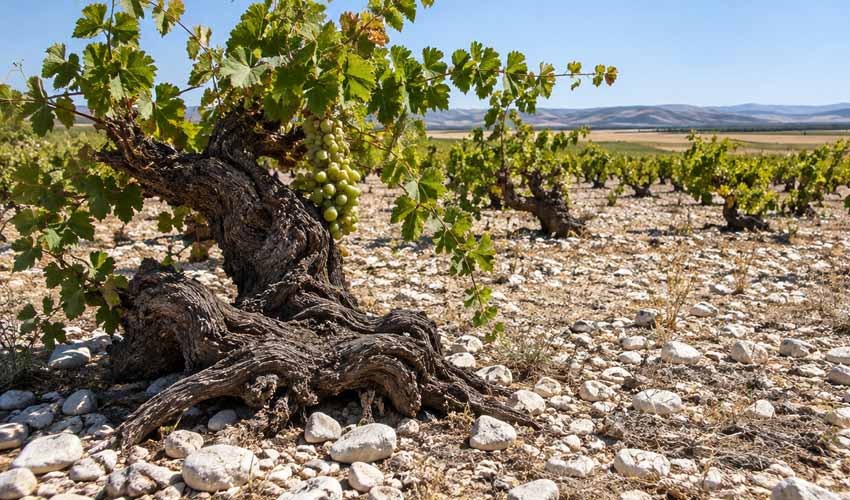
Rueda is widely known for its fresh, aromatic young Verdejo wines. However, the region’s winemaking potential goes far beyond this well-established style. In recent years, different winemaking techniques, older vineyards and a growing interest in the characteristics of each terroir have helped reveal a much broader and more diverse side of the wines produced in this region.
The Verdejo grape variety offers great versatility, allowing winemakers to create wines with different personalities, structures and ageing potential. This evolution is helping to strengthen the identity of the Rueda Designation of Origin and showcase the many possibilities of its wines.
The evolution of the Rueda Designation of Origin: much more than young wines
For many years, the success of Rueda has been closely linked to young Verdejo wines, appreciated for their freshness, expressive aromas and pleasant acidity. This style has played a key role in establishing the region as one of Spain’s leading producers of white wines.
However, Verdejo is a particularly versatile grape variety. Depending on the vineyard, the harvest conditions and the winemaking process, it can produce wines with very different characteristics.
Today, there is growing interest in wines that highlight the origin of the grapes, the characteristics of the soil and the individual personality of each vineyard. This approach is encouraging winemakers to explore new possibilities while maintaining the identity that has made Rueda so well known.
Old vines and wines with greater character
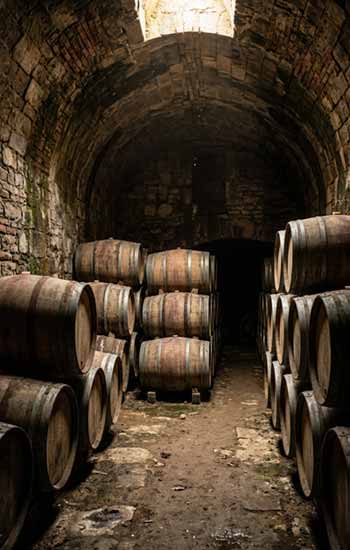
One of the most interesting developments in the region is the growing recognition of wines made from old vineyards. These vines, which have adapted to the local climate and soil conditions over many years, can produce grapes with distinctive characteristics and great expression.
The Gran Vino de Rueda category highlights this potential, recognising wines made under specific requirements, including grapes from vineyards over 30 years old and controlled yields.
Another initiative that helps showcase the diversity of the region is the Vino de Pueblo designation. This allows wines to highlight their municipal origin, giving greater visibility to the particular characteristics of different areas within the Rueda Designation of Origin.
These developments reflect a growing interest in wines that express not only the grape variety, but also the place where the grapes are grown.
New ways of making Verdejo: ageing, lees and other techniques
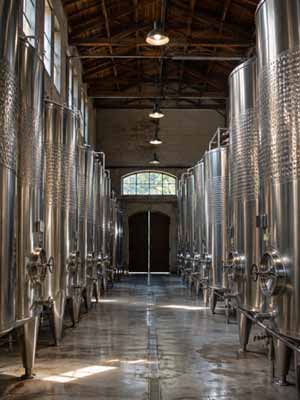
Another important aspect of the evolution of Rueda wines is the use of different winemaking techniques. Although young Verdejo remains a benchmark, more producers are exploring methods that add complexity, texture and structure to their wines.
Ageing on lees, for example, can give Verdejo greater volume and a smoother mouthfeel, while preserving the grape’s characteristic freshness.
Oak ageing is another option. When used carefully, it can add depth and complexity without overpowering the natural character of the variety. Other vessels, such as concrete tanks, clay jars and amphorae, are also being used to explore different expressions of Verdejo.
Alongside these newer approaches, the region also maintains a traditional winemaking heritage, including the production of pale and golden wines. These styles are part of Rueda’s history and demonstrate the variety of winemaking traditions that coexist in the region.
Is the way we understand wines from Rueda changing?
The growing diversity of styles is gradually changing the way consumers and wine professionals understand the wines of Rueda.
Young Verdejo continues to be an excellent choice for those looking for a fresh, aromatic and easy-to-enjoy white wine. However, other styles offer different possibilities, particularly when it comes to food pairing and more specific tasting occasions.
Wines made from old vines, those aged on lees or in oak, and wines that highlight their place of origin are helping to broaden the region’s reputation.
This does not mean leaving behind the style that made Rueda famous. Rather, it is about recognising that the region has much more to offer and that its wines can evolve without losing their identity.